Troubleshooting the Land Rover Check Engine Light: Causes, Codes, and What to Do
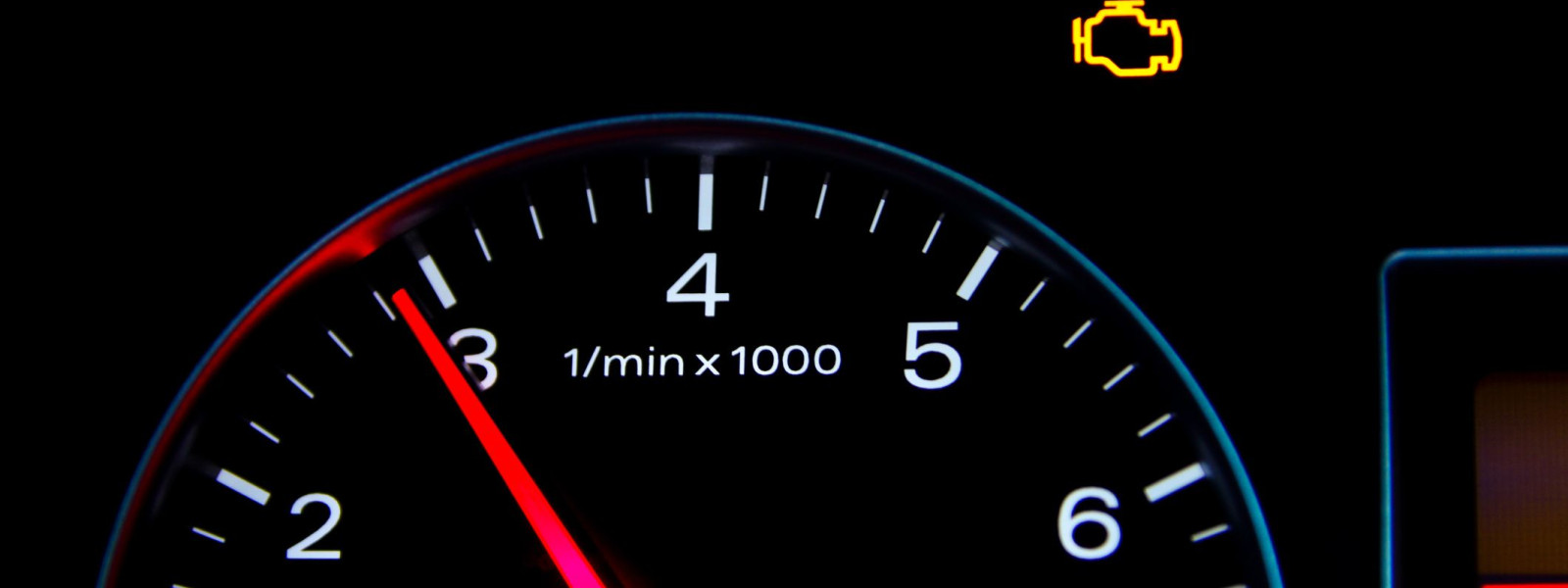
The check engine light is the most frequently misunderstood warning on any Land Rover dashboard. For some owners it triggers immediate panic; for others it becomes background noise that gets ignored for months. Neither response is correct. Understanding what the check engine light actually means on a Land Rover, how to read its urgency level, and what the most common causes are for each model is the knowledge that separates a manageable diagnostic appointment from an expensive avoidable repair.
This guide covers everything Land Rover owners in Toronto and across Canada need to know: how the system works, what solid versus flashing means, the most common OBD fault codes specific to Land Rover and Range Rover models, model-by-model causes, a step-by-step diagnostic approach, and clear guidance on when it is safe to continue driving and when you should stop immediately.
KEY TAKEAWAYS
- The check engine light activates when the OBD-II system detects a fault in any sensor or system connected to the engine management module — not always a serious problem, but never something to permanently ignore.
- A solid amber check engine light means a fault has been detected — book a diagnostic within a few days. A flashing or blinking light means an active misfire is occurring — stop driving as soon as safely possible.
- A standard OBD-II reader from a parts store will not read all Land Rover fault codes. JLR-compatible professional diagnostic software is required to access all modules and freeze frame data.
- The most common Land Rover check engine causes are: faulty O2 sensors, DPF/EGR issues (diesel models), misfires from worn spark plugs or coils, timing chain wear, and cooling system sensor faults.
- Clearing the fault code without fixing the underlying problem does not solve anything — it simply hides it until the next drive cycle triggers it again.
- Westminster Motors provides full JLR-protocol diagnostic scans in North York, Toronto, with a written report of all faults and recommended repairs before any work begins.
Table of Contents
- What Is the Check Engine Light and How Does It Work?
- Solid vs. Flashing Check Engine Light — What Each Means
- What Causes the Land Rover Check Engine Light?
- Common Land Rover Check Engine Fault Codes
- Common Causes by Land Rover Model
- How to Respond to a Land Rover Check Engine Light
- Is It Safe to Drive With the Check Engine Light On?
- How to Reset the Land Rover Check Engine Light
- Why Land Rover Check Engine Diagnosis Requires a Specialist
- Ontario-Specific Check Engine Triggers
- Frequently Asked Questions
1. What Is the Check Engine Light and How Does It Work?
The check engine light — also called the malfunction indicator lamp (MIL) — is part of the On-Board Diagnostics (OBD-II) system mandated on all vehicles sold in Canada and the United States from 1996 onwards. Every Land Rover and Range Rover from that year onward is equipped with this system.
The OBD-II system continuously monitors hundreds of parameters across the engine management system, including fuel delivery, ignition timing, exhaust emissions, sensor readings, and transmission behaviour. When any monitored value falls outside its acceptable range for a defined number of drive cycles, the system stores a Diagnostic Trouble Code (DTC) and illuminates the check engine light on the dashboard.
On Land Rover and Range Rover models, the OBD-II system interfaces with multiple electronic control modules beyond just the engine control module (ECM). The transmission control module, the active driveline module, the body control module, and the instrument cluster can all contribute fault codes that trigger or accompany the check engine light. This is why a standard off-the-shelf OBD-II reader — which only accesses the engine ECM — will miss the majority of faults on a modern Land Rover.
Why Generic OBD Readers Are Not Enough for Land Rovers Land Rover and Range Rover vehicles use a proprietary diagnostic protocol across their multiple control modules. A basic OBD-II dongle plugged into the diagnostic port under the dashboard will read generic engine codes but cannot access transmission, suspension, terrain management, body control, or auxiliary module faults. A full Land Rover diagnostic requires JLR-compatible software such as ODIS, Autologic, iCarsoft LR, or equivalent professional tools. Westminster Motors uses professional JLR-protocol diagnostic equipment on every vehicle. |
2. Solid vs. Flashing Check Engine Light — What Each Means
The behaviour of the check engine light is the first and most important piece of information available before any code is read. Land Rover owners should understand the difference immediately, as the appropriate response varies significantly.
| Light Appearance | What It Means | What to Do | Urgency |
|---|---|---|---|
| Solid amber/orange | Non-critical fault detected — sensor reading out of range, minor emissions issue, loose component | Drive to a specialist within 1-3 days; avoid unnecessary long journeys until diagnosed | AMBER |
| Flashing / blinking | Active engine misfire — unburned fuel entering exhaust; risk of catalytic converter damage | Stop driving as soon as safe — pull over, switch off. Do not restart until diagnosed | RED |
| Solid red (some models) | Serious fault — oil pressure, overheating, or critical system failure | Stop immediately. Do not drive further. Call for recovery or assistance | RED |
| Combined with other lights | Multiple system faults — often linked to battery voltage drop, module communication fault | Do not drive; have the vehicle recovered and fully scanned | RED |
A solid amber check engine light that appears without any other warning lights and without any noticeable change in vehicle behaviour is typically a non-emergency. It means a fault has been detected and stored, but it is not currently causing active damage. Book a diagnostic appointment within a few days — not weeks.
A flashing or blinking check engine light is an emergency signal. It indicates an active engine misfire — meaning fuel is being injected into a cylinder but not igniting correctly. Unburned fuel passing through the exhaust system damages the catalytic converter rapidly. A catalytic converter on a Land Rover costs $2,000-$6,000+ to replace. Stopping driving at the first sign of a flashing light costs nothing; ignoring it costs significantly.
3. What Causes the Land Rover Check Engine Light?
The check engine light can be triggered by hundreds of different fault codes. The causes below represent the most frequently seen issues in Land Rover and Range Rover vehicles serviced at Westminster Motors and reported across the owner community.
Faulty or Fouled Spark Plugs (Petrol Models)
Worn, fouled, or incorrectly gapped spark plugs are among the most common check engine triggers on petrol-powered Land Rovers. Land Rover's Si4, Si6, and V8 engines use iridium or platinum-tipped plugs with a service life of approximately 60,000 km. When plugs degrade, they cause misfires — the P0300-P0308 code family — which trigger the check engine light. In severe cases the light will flash rather than stay solid. Spark plug replacement cost on a V8 Land Rover is significant due to access, but the fix is straightforward once diagnosed.
Ignition Coil Failure
Land Rover uses coil-on-plug ignition systems on most modern models. Individual coils can fail while adjacent coils remain functional, causing a single-cylinder misfire. The OBD system will log a specific cylinder misfire code (P0301 through P0308 depending on which cylinder) as well as a failing coil code. Ignition coil failure is particularly common on higher-mileage V8 and V6 petrol engines and after moisture exposure — which in Canadian winters is a routine occurrence.
Oxygen Sensor Fault
Oxygen sensors measure the exhaust gas composition before and after the catalytic converter to help the ECM maintain correct fuel trim. Faulty O2 sensors produce codes in the P0130-P0167 range and the P0420/P0430 efficiency range. On older Land Rovers with high mileage, O2 sensor failure is so common it is almost a scheduled maintenance item. A failed O2 sensor causes the engine to run in open-loop mode, increasing fuel consumption and emissions. The sensor itself is relatively inexpensive; the labour to access rear sensors on some models is more significant.
EGR Valve Problems (Diesel and Some Petrol Models)
The Exhaust Gas Recirculation (EGR) system reduces NOx emissions by recirculating a portion of exhaust gas back into the intake manifold. On Land Rover diesel engines — particularly the 2.7 TDV6 and 3.0 TDV6 — the EGR valve and its associated cooler are prone to carbon buildup, sticking, and failure. A clogged EGR valve produces codes in the P0401-P0406 range and typically causes rough idle, black smoke, and a reduction in power. EGR issues are worsened by frequent short urban trips that prevent the engine reaching full operating temperature.
DPF (Diesel Particulate Filter) Issues
All modern Land Rover diesel models sold in Canada are equipped with a Diesel Particulate Filter (DPF) that traps soot from the exhaust. The DPF regenerates (burns off accumulated soot) automatically during sustained highway driving. Vehicles used primarily for short urban trips never complete a full regeneration cycle, causing the DPF to progressively block. A blocked DPF triggers specific fault codes (P2002, P2458), reduces power, increases fuel consumption, and ultimately requires professional forced regeneration or physical replacement if left untreated.
Mass Airflow (MAF) Sensor
The MAF sensor measures the volume of air entering the engine and is critical for accurate fuel metering. A dirty or failed MAF sensor causes the ECM to miscalculate fuel delivery, producing lean or rich running conditions, rough idle, and hesitation under acceleration. On Land Rovers, the MAF sensor is located in the air intake tract and is susceptible to contamination from the re-oiled foam elements used in some aftermarket performance air filters. Cleaning or replacing a MAF sensor is a relatively inexpensive fix with a disproportionately large impact on performance.
Thermostat Failure
A stuck-open thermostat prevents the engine from reaching normal operating temperature, causing the ECM to remain in cold-start enrichment mode longer than intended. This produces the P0128 code (coolant temperature below thermostat regulating temperature), increases fuel consumption, prevents DPF regeneration on diesel models, and in cold Ontario winters can prevent the cabin heater from producing adequate warmth. Thermostat replacement on most Land Rover models is a straightforward repair.
Timing Chain Issues (V6 and V8 Petrol Engines)
Timing chain stretch or tensioner wear is a specific concern on Land Rover's AJ V8 family and certain Si6 V6 engines. The OBD system detects timing errors through P0016/P0017 (crankshaft-camshaft correlation) codes, sometimes preceded by cold-start rattling that disappears once the engine warms up. This rattle indicates the tensioner is not maintaining adequate chain tension when oil pressure is low on startup. Timing chain issues must be addressed promptly — a chain that jumps timing teeth causes catastrophic valve damage. See the model-specific section below for the most affected Land Rover models.
Evaporative Emission (EVAP) System Faults
EVAP system codes — commonly P0455, P0456, P0457 — are among the most common check engine triggers and among the least serious. The EVAP system captures fuel vapour from the tank and routes it to the engine to be burned. A loose, cracked, or improperly seated fuel filler cap is the most frequent cause. Before booking a diagnostic appointment for an EVAP code, remove and firmly reseat the fuel cap and see if the light clears over the next two to three drive cycles.
Low Battery Voltage
Modern Land Rovers have complex electrical architectures that are sensitive to battery voltage. When the battery weakens — through age, a drain event, or a charging system fault — the reduced voltage can cause multiple control modules to log communication faults and sensor errors simultaneously, triggering the check engine light alongside other dashboard warnings. Before spending money on sensor or module diagnostics, always verify battery state of health with a proper load test, not just a voltage check.
4. Common Land Rover Check Engine Fault Codes Reference
The table below lists the most frequently encountered OBD fault codes on Land Rover and Range Rover vehicles, with their descriptions, typical causes, and priority level for repair.
| Code | Description | Common Cause | Affects | Priority |
|---|---|---|---|---|
| P0300-P0308 | Random / specific cylinder misfire | Spark plugs, ignition coils, fuel injectors, compression loss | All petrol models | MEDIUM |
| P0420/P0430 | Catalyst efficiency below threshold | Failing oxygen sensor, worn catalytic converter, exhaust leak | All petrol models | MEDIUM |
| P0171/P0174 | System too lean (fuel trim) | Vacuum leak, dirty MAF sensor, failing fuel pump or injector | All petrol models | MEDIUM |
| P0087 | Fuel rail pressure too low | Weak fuel pump, clogged filter, failing fuel pressure regulator | All petrol models | HIGH |
| P0335/P0336 | Crankshaft position sensor fault | Worn sensor, wiring fault, reluctor ring damage | All models | HIGH |
| P0016/P0017 | Crankshaft-camshaft correlation | Stretched timing chain, VVT solenoid fault, low oil pressure | V6 / V8 petrol | HIGH |
| P0128 | Coolant temp below thermostat regulating temp | Stuck-open thermostat, coolant temp sensor fault | All models | MEDIUM |
| P0401/P0402 | EGR flow insufficient / excessive | Clogged or stuck EGR valve, vacuum line failure | All diesel / some petrol | MEDIUM |
| P2002/P2458 | DPF efficiency / regeneration timeout | Frequent short trips preventing DPF regen, clogged DPF | All diesel models | HIGH |
| P0191 | Fuel rail pressure sensor range | Failing HPFP, pressure sensor fault, injector return leak | Diesel (Td6/TDV6) | HIGH |
| P0234 | Turbocharger over-boost condition | Wastegate fault, stuck boost control solenoid | All turbo models | HIGH |
| P0299 | Turbocharger under-boost | Boost leak, worn turbo, faulty actuator | All turbo models | MEDIUM |
| P062F | Internal control module EEPROM error | ECU/PCM software fault, battery drop during update | All modern models | MEDIUM |
| U0100 | Lost communication with ECM/PCM | Wiring fault, CAN bus issue, module failure | All models | HIGH |
| P0562 | System voltage low | Weak battery, failing alternator, poor earth connection | All models | MEDIUM |
Stored vs. Pending vs. Active Codes OBD-II distinguishes between three code states. An active (current) code means the fault is present right now. A stored (historical) code means the fault occurred but may not be active — it may have self-resolved or been intermittent. A pending code means the fault has been detected once but not yet confirmed across enough drive cycles to illuminate the check engine light. A thorough diagnostic reads all three categories. Clearing codes erases all stored and pending codes, destroying valuable diagnostic history. |
5. Land Rover Check Engine Light: Common Causes by Model
While many check engine causes are universal across the Land Rover range, certain models and engine combinations have well-documented specific failure patterns. The table below provides a model-by-model reference.
| Model | Engine | Most Common Check Engine Triggers |
|---|---|---|
| Discovery 3 / LR3 (2004-09) | TDV6 2.7 diesel | EGR valve clogging, injector return seals leaking fuel into oil, swirl flap failure causing intake damage |
| Discovery 4 / LR4 (2009-16) | TDV6 3.0 diesel | DPF blockage from urban use, EGR cooler leak, timing chain stretch at higher mileages |
| Range Rover Sport L320 (05-13) | 4.4/5.0 V8 petrol | Timing chain tensioner wear (cold-start rattle = urgent), water pump failure, cam cover gasket oil leaks onto O2 sensors |
| Range Rover Sport L494 (14-22) | 3.0 Si6 / 5.0 SC | Timing chain on V6, coolant crossover pipe (5.0 SC), throttle body carbon buildup on 3.0 |
| Range Rover L405 (2013-22) | Td6 / Si6 / 5.0 | Td6 diesel DPF and EGR, Si6 timing chain, 5.0 SC oil cooler leaks; battery drain triggering phantom faults |
| Range Rover Evoque (2012-18) | 2.0 Si4 / 2.0 TD4 | Thermostat housing coolant leaks, timing chain on diesel, carbon buildup on direct injection petrol engine |
| Defender (2020+) | P300 / D250 / D300 | Early software calibration issues, AdBlue dosing faults (diesel SCR system), ADAS sensor codes after winter |
| Freelander 2 / LR2 (2006-14) | 2.2 TD4 diesel | EGR valve, DPF blockage, swirl flaps, injector failure on high-mileage units |
Discovery 3 / LR3 TDV6 — Swirl Flap Failure: A Special Warning
The 2.7-litre TDV6 diesel engine fitted to the Discovery 3 and early Discovery 4 uses variable swirl flaps in the intake manifold. These plastic-bladed components are designed to improve combustion efficiency at low loads but are notorious for breaking off and entering the engine, causing catastrophic internal damage. When a swirl flap breaks, fragments can damage pistons, valves, and cylinder walls. The check engine light appears, but by the time it does, the damage may already be occurring. Many owners of affected vehicles elect to remove and blank the swirl flaps as a preventative measure. If you own a 2.7 TDV6 Discovery 3 or LR3 and have not had the swirl flaps inspected, this should be a priority.
Range Rover Sport L320 — Timing Chain Rattle Protocol
Cold-start timing chain rattle on the L320's AJ V8 (4.4, 5.0 naturally aspirated, and 5.0 supercharged) is a known failure progression. The rattle on cold start that disappears after 10-15 seconds of running is the classic symptom of tensioner wear. Many owners incorrectly accept this as normal. It is not. The P0016/P0017 codes that follow confirm the timing correlation is deteriorating. Westminster Motors treats any L320 with cold-start rattle as a priority diagnostic — the difference between catching this early and late is the difference between a tensioner replacement and an engine rebuild.
6. Step-by-Step: How to Respond to a Land Rover Check Engine Light
When the check engine light appears on your Land Rover dashboard, the following sequence is the correct response in most non-emergency situations.
| Step | Detail |
|---|---|
| 1. Check dashboard lights | Note the exact light pattern — solid, flashing, colour, and any accompanying lights (oil, temp, battery) |
| 2. Check the fuel cap | Remove and reseat the fuel cap firmly; a loose cap triggers a P0455 or P0457 EVAP leak code on most models |
| 3. Note any symptoms | Write down any rough idle, hesitation, smoke, power loss, or unusual noises — this helps narrow the fault |
| 4. Read fault codes | Use a JLR-compatible scan tool (not a generic OBD reader) to retrieve all stored and pending codes across all modules |
| 5. Do not clear codes yet | Clearing codes before diagnosis destroys freeze frame data that pinpoints when and at what conditions the fault occurred |
| 6. Research the specific code | Each code has a likely cause list — but confirm with live data (sensor readings) rather than assuming the first listed cause |
| 7. Inspect visual clues | Check for oil leaks onto sensors, disconnected vacuum hoses, cracked air intake pipes, or coolant loss in the reservoir |
| 8. Book a specialist diagnosis | If the cause is not immediately obvious, book a full diagnostic with a Land Rover specialist before attempting repairs |
7. Is It Safe to Drive With the Check Engine Light On?
The most common question after a check engine light appears is whether the vehicle is safe to continue driving. The answer depends entirely on the specific fault, and the table below provides a clear reference for the most common scenarios.
| Situation | Safe to Drive? | Action |
|---|---|---|
| Loose fuel cap (EVAP code) | YES — short term | Retighten cap; drive normally; light may clear after a few drive cycles |
| O2 sensor fault (non-urgent) | YES — short term | Monitor fuel economy; book service within 1 week; do not ignore long-term |
| Minor misfire (occasional) | WITH CAUTION | Drive gently to specialist; avoid motorway speeds; monitor for worsening |
| EGR fault / DPF warning | WITH CAUTION | Take a sustained highway drive to attempt regen; if warning persists, book service |
| Active misfire (flashing light) | NO | Stop safely; switch off; do not restart until diagnosed — catalytic converter at risk |
| Oil pressure warning + CEL | NO | Stop immediately; check oil level before restarting; call for assistance if level correct |
| Temperature warning + CEL | NO | Stop immediately; do not continue driving; allow engine to cool; call for recovery |
| Multiple lights simultaneously | NO | Suggests battery / module fault; do not drive; have vehicle recovered for full scan |
When in Doubt, Don't Drive If you are uncertain whether it is safe to continue driving your Land Rover after the check engine light appears, err on the side of caution. A short delay while waiting for a diagnostic appointment costs nothing. Driving a vehicle with an active misfire, cooling system fault, or oil pressure issue to the point of catalytic converter damage or engine failure costs thousands of dollars. Westminster Motors offers pick-up and drop-off service across the GTA for vehicles that should not be driven to the workshop. |
8. How to Reset the Land Rover Check Engine Light
The Battery Disconnect Method — When It Works and When It Doesn't
The battery disconnect method described in the original version of this article — disconnecting the negative terminal for 30-60 seconds — will clear stored fault codes on older Land Rover models (pre-2010 approximately) by removing power from the ECM. However, on modern Land Rovers this approach has significant limitations and risks:
- On modern Land Rovers with multiple networked control modules, disconnecting the battery clears module learned values — including transmission adaptation, idle calibration, and air suspension reference heights — that take multiple drive cycles to relearn. During this relearning period, the vehicle may behave abnormally.
- On vehicles with electronic parking brakes, battery disconnection can sometimes leave the EPB in an inconsistent state requiring a diagnostic tool to restore.
- The battery disconnect does not fix anything. The fault code will return on the next drive cycle if the underlying problem still exists — usually within 2-3 trips.
- On some models, disconnecting the battery triggers an anti-theft relearn sequence for the audio system, requiring codes or dealer intervention to restore.
The Correct Way to Reset the Check Engine Light
The correct method for resetting the check engine light on a modern Land Rover is to fix the underlying fault and then use a JLR-compatible diagnostic tool to clear the stored code. This approach also clears freeze frame data correctly, resets readiness monitors that are required for emissions testing, and does not disturb module adaptation values.
If the check engine light returns within one to three drive cycles after being cleared by a professional, it means the underlying fault has not been fully resolved and further diagnosis is required.
Will the Check Engine Light Clear Itself?
In some cases, yes — if the fault was genuinely intermittent (a loose connector that reseated itself, a temporary sensor glitch, a momentary EVAP system reading) the ECM will mark the code as inactive after a defined number of clean drive cycles (typically 40-80 warm-up cycles depending on the fault type) and extinguish the light. However, relying on self-clearing is not a reliable strategy — a code that self-clears has still recorded a genuine fault event, and the underlying cause may recur.
9. Why Land Rover Check Engine Diagnosis Requires a Specialist
A Land Rover check engine diagnostic is fundamentally different from diagnosing the same light on a mainstream vehicle, for several reasons that directly affect the accuracy and cost of the diagnosis:
Multi-Module Architecture
Land Rover vehicles built from 2010 onward communicate across a complex CAN bus (Controller Area Network) that connects dozens of modules — engine, transmission, terrain management, ABS, airbag, body control, instrument cluster, and more. A fault in one module can cascade faults into adjacent modules. A workshop that only reads the engine ECM will see an incomplete picture and may diagnose and replace the wrong component. Westminster Motors reads every module as standard, producing a complete fault picture before any diagnosis is offered.
JLR-Specific Codes
In addition to standardised OBD-II codes (which all vehicles share), Land Rover vehicles log manufacturer-specific codes that begin with different prefixes. These codes are only accessible with JLR-compatible software and provide detail that generic codes do not — including specific sub-fault information, variant codes, and calibration status. A generic scan tool reports 'P0300 — random misfire'; a JLR-protocol scan might identify specifically which cylinder, at what coolant temperature, and at what throttle position the misfire is occurring — information that dramatically narrows the cause.
Live Data Analysis
Accurate diagnosis requires not just fault codes but live sensor data — real-time readings of oxygen sensor voltages, fuel trim values, boost pressure, throttle position, and dozens of other parameters as the engine runs. Comparing live data against known-good values for the specific engine is how experienced technicians differentiate between a failed sensor and the system the sensor monitors. This type of analysis requires both the right tools and the experience to interpret the readings correctly.
Westminster Motors Diagnostic Process When a Land Rover arrives at Westminster Motors with a check engine light, we perform a full multi-module scan using JLR-compatible professional equipment, read and document all active, stored, and pending codes, record freeze frame data for each code, and perform a live data analysis on the relevant systems before offering any diagnosis. A written report is provided before any repair work is authorised. This process takes 60-90 minutes and gives both our technicians and the vehicle owner a complete and accurate picture of the fault. |
10. Ontario-Specific Check Engine Triggers for Land Rover Owners
Toronto and Ontario's climate and driving patterns create specific conditions that increase the frequency of certain check engine faults on Land Rovers:
Winter Cold Starts and Battery Stress
At -20 degrees Celsius, a Land Rover's battery must deliver significantly higher cranking current than at normal temperatures while the engine oil is at its most viscous. Weak batteries that perform adequately in summer may fail to fully supply all electronic modules during a cold Ontario winter start, triggering voltage-related fault codes across multiple systems. Annual battery testing before winter is one of the most cost-effective preventative measures available to Ontario Land Rover owners.
Short Trip DPF Issues on Diesel Models
The stop-and-go traffic of the GTA, combined with Ontario's short winter days that discourage longer drives, creates ideal conditions for DPF blockage on diesel Land Rovers. An owner who uses their diesel Discovery or Range Rover exclusively for short commutes within the city may never allow the engine to sustain the temperature required for passive DPF regeneration. Westminster Motors recommends a minimum 40-minute sustained highway drive at least once per week for all Ontario diesel Land Rover owners to maintain DPF health.
Road Salt and Sensor Corrosion
Ontario's aggressive road salting programme — necessary given winter conditions but hard on vehicles — accelerates corrosion of oxygen sensor connectors, exhaust lambda sensor wiring, and underbody wiring loom grommets. Corrosion-induced resistance in sensor wiring produces out-of-range readings that trigger the check engine light without any sensor failure. An annual underbody inspection to identify corroded connections is a worthwhile preventative measure for any Land Rover that has spent winters in Ontario.
Fuel Cap Issues After Cold-Weather Refueling
Extreme cold causes fuel filler cap seals to harden and contract, making it easier for the cap to not seat fully after refueling in winter. EVAP system codes triggered by a loose fuel cap are one of the most common check engine calls Westminster Motors receives in December through February. Always ensure the fuel cap clicks audibly when tightened, particularly in cold weather.
11. Frequently Asked Questions
Can I drive my Land Rover from Toronto to another city with the check engine light on?
It depends on the specific fault. An EVAP code or a minor sensor fault with no drivability symptoms — steady amber light, no other warnings, vehicle driving normally — is typically safe for a short highway journey while monitoring the gauges. An active misfire (flashing light), a coolant temperature concern, or an oil pressure related code are conditions under which long-distance driving should not be attempted. If in doubt, call Westminster Motors for a quick phone assessment before departing.
My check engine light came on and then went off by itself. Do I still need to get it checked?
Yes. A self-clearing check engine light means the fault occurred but the OBD system did not detect it consistently enough to keep the light on. The fault code is still stored in the ECM's history and accessible with a diagnostic scan. Self-clearing codes on Land Rovers often indicate intermittent faults — such as a sensor that is beginning to fail — that will eventually become permanent. Catching these early is far less expensive than addressing them after they cause secondary damage.
Is the check engine light the same as the service light on my Land Rover?
No. The service light (a spanner or wrench icon) indicates that a scheduled service interval has been reached — it is a time-based or mileage-based reminder, not a fault indicator. The check engine light (the engine outline icon) indicates a fault detected by the OBD system. Both can appear simultaneously but have different causes and different responses. The service light is reset during a routine service; the check engine light requires fault diagnosis and repair.
A mechanic cleared my check engine codes without fixing anything. Now the light is back. What should I do?
This is unfortunately common with non-specialist workshops. Clearing codes without diagnosing and fixing the underlying fault simply delays the light's return — the fault will re-trigger within a few drive cycles. Bring the vehicle to a Land Rover specialist with JLR-compatible diagnostic equipment for a proper fault diagnosis. Westminster Motors provides a written diagnostic report identifying the specific cause before any repair is recommended.
How much does a Land Rover check engine diagnostic cost in Toronto?
A full JLR-protocol diagnostic scan at Westminster Motors — covering all modules, all fault codes (active, stored, and pending), and live data analysis — typically costs $200-$400 depending on the complexity of the fault. This cost is applied toward the repair if the owner proceeds with the recommended work. A proper diagnosis that identifies the correct cause the first time is far less expensive than multiple misdiagnoses at a lower per-visit rate.
Author: Avo Demirjian
Previous Post
No more posts to read!