Full Ignition System Maintenance Guide for Classic Cars
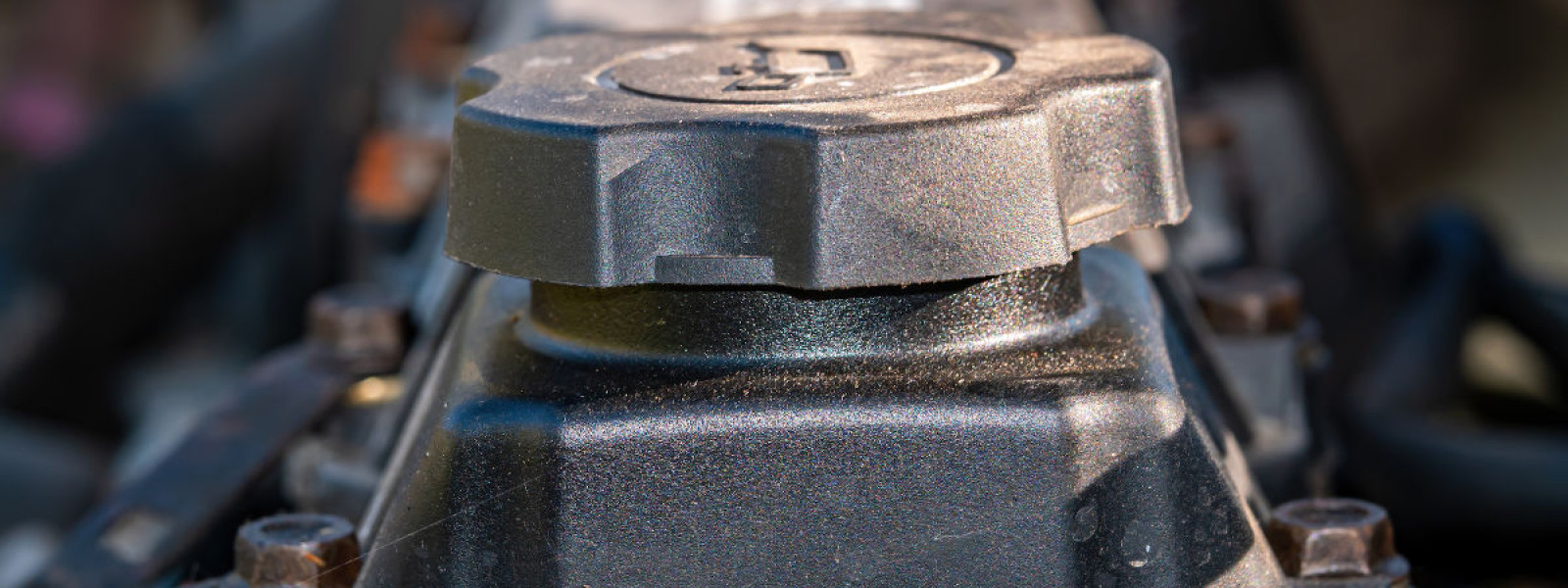
In classic cars, the ignition system is a purely mechanical and electrical assembly. There is no engine control unit to compensate for wear, no self-diagnostics, and no adaptive correction. As a result, ignition performance depends entirely on component condition, adjustment accuracy, and regular maintenance.
Small deviations that would go unnoticed in a modern vehicle-such as point wear, timing drift, or increased spark plug gap-can cause noticeable drivability issues in a classic car. Hard starting, rough idle, hesitation under load, and inconsistent performance are often ignition-related rather than fuel-related. Proper ignition system maintenance is therefore not optional in classic cars; it is a fundamental requirement for reliable operation.
Understanding Ignition Systems in Classic Cars
Most classic vehicles use distributor-based ignition systems, where spark timing and energy delivery are controlled mechanically rather than electronically. While designs vary by era and manufacturer, these systems share common operating principles and maintenance needs.
Conventional Breaker Points Ignition
This is the most common system found in classic cars from the 1950s through the 1970s.
Key characteristics:
- Mechanical breaker points control coil saturation (dwell)
- A condenser suppresses arcing and stabilizes spark energy
- Timing advance is achieved mechanically through centrifugal weights and vacuum advance
This system is simple, serviceable, and reliable when properly maintained. However, it is sensitive to wear. Point erosion, cam wear, and distributor shaft play directly affect dwell angle and ignition timing.
Early Electronic Distributor Ignition
Some later classic cars use early electronic ignition systems that retain a distributor but eliminate mechanical points.
Typical features:
- Electronic triggering replaces breaker points
- Mechanical advance mechanisms are still used
- Spark energy is more consistent than with points
While these systems reduce routine adjustment, they do not eliminate the need for distributor maintenance. Worn bushings, sticking advance mechanisms, or incorrect timing still cause drivability issues.
Aftermarket Electronic Conversions
Many classic cars have been retrofitted with aftermarket electronic ignition modules designed to replace points while keeping the original distributor.
Important considerations:
- These systems improve triggering consistency but do not correct mechanical wear
- Worn distributors will still produce unstable timing
- Incorrect coil resistance or wiring often causes overheating or module failure
Electronic conversion should be viewed as an upgrade to triggering, not a solution for an aging ignition system.
Key Ignition System Components Explained
Classic ignition systems function as a chain. Each component affects the next, and weakness in one part places additional stress on the rest. For this reason, ignition problems in classic cars are rarely caused by a single failed component-they are usually the result of system imbalance.
Spark Plugs
Spark plugs define the voltage demand placed on the ignition system.
Key factors:
- Heat range must match engine design and operating temperature
- Electrode wear increases the voltage required to break down the spark gap
- Spark plug gap has a direct impact on coil load and spark stability
As spark plugs age, the gap increases due to electrode erosion. This forces the ignition coil to produce higher voltage to achieve spark breakdown. In classic systems with limited spark energy reserves, this often leads to misfires under load or during cold starts.
Using modern spark plugs designed for high-energy electronic ignition systems can be problematic in classic engines. Incorrect heat range or excessive gap may overstress coils, points, and condensers.
Ignition Coil
The ignition coil stores and releases the energy required to create the spark event.
In classic cars, most coils are:
- Oil-filled, relying on internal oil for cooling and insulation
- Designed for specific primary resistance, often in combination with a ballast resistor
Key considerations:
- Incorrect primary resistance increases current flow and heat buildup
- Mismatched coils are a common cause of overheating and premature failure
- Epoxy-filled modern coils are not always suitable replacements
A coil operating outside its designed resistance range will often fail gradually, showing symptoms only after extended driving or heat soak.
Distributor
The distributor controls spark timing and distribution, making it one of the most critical components in a classic ignition system.
Common wear points:
- Shaft bushings, leading to timing scatter
- Cam wear affecting point opening consistency
- Cap and rotor erosion or carbon tracking
Even small amounts of distributor shaft play can cause timing instability that cannot be corrected through adjustment alone. This often results in rough idle, inconsistent timing readings, and unpredictable performance.
Breaker Points and Condenser
Breaker points control coil saturation time, known as dwell angle.
Key aspects:
- Point gap directly affects dwell
- Contact erosion reduces consistency
- Condenser capacity must match system requirements
Incorrect dwell leads to either insufficient spark energy or excessive coil heating. Condenser failure or mismatch accelerates point wear and destabilizes ignition performance. These components require regular inspection and adjustment to maintain reliability.
Ignition Wires
Ignition wires deliver high voltage from the coil to the spark plugs.
Important factors:
- Resistance per length affects spark energy
- Aging insulation increases the risk of leakage
- Copper-core and suppression wires behave differently
Excessive resistance or degraded insulation forces the ignition system to operate at higher voltage levels, accelerating wear across coils, points, and plugs.
System Perspective
In a classic ignition system, no component operates in isolation. Increasing spark plug gap, worn distributor bushings, incorrect coil resistance, or degraded wires all compound each other’s effects. Effective maintenance requires evaluating the ignition system as a whole rather than replacing individual parts reactively.
Why Ignition Maintenance Is Critical in Classic Cars
Ignition systems in classic cars degrade through mechanical wear and material aging, not through electronic faults. Unlike modern vehicles, there are no control units to compensate for drift, no fault codes to provide early warning, and no adaptive correction to mask gradual deterioration.
Mechanical Wear Accumulates Gradually
Distributor bushings, advance mechanisms, breaker points, and cam lobes wear with use. Even small amounts of wear can alter ignition timing and dwell enough to affect combustion stability. These changes often occur slowly, making them easy to overlook until drivability problems become obvious.
Thermal Cycling Accelerates Aging
Classic ignition components are exposed to repeated heat-up and cool-down cycles. Over time, this leads to insulation hardening, loss of elasticity in rubber components, and increased electrical resistance. These effects are driven more by thermal cycles than mileage, which is why low-mileage classic cars can still suffer ignition-related issues.
Vibration and Mechanical Stress
Older engines transmit more vibration to ignition components than modern powertrains. This vibration contributes to loosening fasteners, fatigue in electrical connections, and accelerated wear in distributor assemblies.
Corrosion and Oxidation
Classic cars often see seasonal use and extended storage. Moisture intrusion, oxidation of contact surfaces, and corrosion of terminals are common during periods of inactivity. These issues degrade electrical continuity and increase voltage demand during startup.
Lack of Electronic Compensation
In the absence of ECU-based correction, ignition timing and spark energy remain fixed until manually adjusted. As components wear, performance declines directly. What might be corrected electronically in a modern vehicle must be addressed mechanically in a classic car.
For these reasons, ignition maintenance in classic vehicles is not a one-time adjustment. It is an ongoing process that directly determines starting reliability, idle quality, throttle response, and overall engine health.
Common Ignition Problems and Their Root Causes
Ignition-related problems in classic cars often present as drivability issues that are mistakenly blamed on fuel delivery or carburetor tuning. In reality, many of these symptoms originate in ignition wear, incorrect adjustment, or component mismatch.
Below are the most common problems and their typical root causes.
Hard Cold Starting
Likely ignition-related causes:
- Excessive spark plug gap
- Worn or oxidized breaker points
- Weak coil output due to incorrect primary resistance
- High resistance in ignition wires
Cold starts demand higher spark voltage due to richer mixtures and lower combustion temperatures. Marginal ignition systems often fail under these conditions first.
Hard Hot Starting
Likely ignition-related causes:
- Coil overheating after heat soak
- Internal insulation breakdown in aging coils
- Incorrect ballast resistor configuration
- Condenser failure when hot
Hot-start issues are frequently misdiagnosed as fuel vapor lock, but ignition coils and condensers are often the underlying cause.
Misfires Under Load
Likely ignition-related causes:
- Insufficient spark energy at higher cylinder pressure
- Increased plug gap combined with weak coil output
- Incorrect ignition advance curve
- Distributor shaft play causing timing scatter
Under load, cylinder pressure rises and spark voltage demand increases. Any weakness in the ignition system becomes immediately apparent.
Rough or Unstable Idle
Likely ignition-related causes:
- Inconsistent dwell due to point wear
- Sticking centrifugal advance
- Vacuum advance diaphragm leaks
- Distributor cam or bushing wear
Idle quality is particularly sensitive to timing stability. Even minor ignition irregularities can cause noticeable roughness at low engine speed.
Engine Hesitation or Flat Spots
Likely ignition-related causes:
- Incorrect or delayed advance response
- Vacuum advance malfunction
- Weak spark during transient throttle conditions
Ignition advance must respond smoothly to changing engine load. When it does not, hesitation is often mistaken for carburetor jetting issues.
Overheating Ignition Coil
Likely ignition-related causes:
- Incorrect coil primary resistance
- Missing or incorrect ballast resistor
- Prolonged excessive dwell
- Incompatible electronic ignition conversion
An overheating coil is a warning sign of electrical mismatch. Continued operation under these conditions often leads to sudden coil failure.
Diagnostic Perspective
In classic cars, ignition faults often overlap and compound one another. For example, worn spark plugs increase voltage demand, which stresses the coil and accelerates point erosion. Effective diagnosis requires identifying the primary cause, not just the most visible symptom.
Step-by-Step Ignition System Maintenance
Proper ignition maintenance in classic cars is a systematic evaluation process, not a single adjustment or parts swap. The goal is to restore balance across the entire ignition chain so that spark timing and energy delivery remain stable under all operating conditions.
Initial Visual Inspection
The first step is always a thorough visual inspection.
What is evaluated:
- Condition of the distributor cap and rotor (carbon tracking, erosion, cracks)
- State of ignition wires (brittle insulation, loose terminals, routing issues)
- Evidence of oil contamination or moisture inside the distributor
- General wiring condition and grounding integrity
Many ignition problems can be identified at this stage without any instrumentation. Corrosion, tracking, and insulation breakdown are common in vehicles that see seasonal use.
Electrical Integrity Checks
Once obvious defects are ruled out, electrical compatibility is assessed.
Key areas of focus:
- Coil primary resistance and ballast resistor configuration
- Continuity and resistance of ignition wires
- Spark plug condition and gap relative to system capability
Incorrect resistance values are a frequent cause of coil overheating and weak spark output. These mismatches often appear after partial upgrades or component substitutions made over time.
Mechanical Condition Assessment
Mechanical wear has a direct impact on ignition stability.
Critical checks include:
- Distributor shaft play and bushing wear
- Free movement of centrifugal advance weights
- Vacuum advance operation and diaphragm integrity
- Condition of the distributor cam surface
Mechanical instability cannot be corrected with timing adjustment alone. If timing scatter is present, it must be addressed at the mechanical level.
Breaker Points and Dwell Evaluation
In points-based systems, dwell angle is the foundation of ignition performance.
Evaluation includes:
- Point contact condition and alignment
- Stability of dwell across engine speed
- Evidence of arcing or abnormal wear
Incorrect dwell affects both spark energy and coil temperature. Dwell must always be corrected before any timing adjustment is made.
Ignition Timing Verification
Timing is verified only after the system is mechanically and electrically sound.
This includes:
- Static timing for baseline reference
- Dynamic timing at idle and elevated engine speed
- Confirmation that advance mechanisms operate smoothly and return correctly
Timing that is correct at idle but unstable under load often indicates distributor wear rather than adjustment error.
Final System Balance Check
After all corrections, the system is evaluated as a whole:
- Consistent idle quality
- Smooth throttle response
- Stable timing readings
- Absence of misfire under load
Ignition maintenance is complete only when spark delivery remains stable across operating conditions, not merely when the engine runs.
Adjusting Dwell and Ignition Timing Correctly
Correct dwell and ignition timing adjustment is essential in classic ignition systems because both directly determine spark energy and combustion stability. Importantly, these adjustments are interdependent and must always be approached in the correct order.
Dwell Comes First
Dwell angle determines how long the ignition coil is allowed to charge before releasing energy to the spark plug. In points-based systems, dwell is controlled by breaker point gap and distributor cam geometry.
Key principles:
- Incorrect dwell changes coil saturation time
- Too little dwell results in weak spark
- Too much dwell causes coil overheating and accelerated wear
Because changing dwell alters ignition timing, dwell must always be verified and corrected before any timing adjustment is attempted.
Static vs Dynamic Timing
Static timing provides a baseline reference for initial setup, but it does not reflect real operating conditions.
Dynamic timing is critical because it:
- Accounts for actual engine speed
- Reveals timing stability
- Exposes distributor wear or timing scatter
A system that shows correct static timing but unstable dynamic timing often suffers from mechanical issues rather than adjustment errors.
Mechanical and Vacuum Advance Behavior
Ignition timing in classic cars is not fixed. It changes with engine speed and load through advance mechanisms.
Critical checks include:
- Smooth operation of centrifugal advance weights
- Correct advance curve progression
- Proper vacuum advance response and return
Sticking or delayed advance causes hesitation, flat spots, and overheating, while excessive advance increases the risk of detonation under load.
Timing Stability Matters More Than Absolute Numbers
In classic ignition systems, a perfectly stable timing signal is more important than achieving a specific numeric value. Fluctuating timing readings often indicate distributor wear, shaft play, or advance mechanism issues that cannot be corrected through adjustment alone.
Proper adjustment therefore focuses on consistency and repeatability, not just specifications.
Electronic Ignition Conversions - Benefits and Limitations
Electronic ignition conversions are a common modification in classic cars, often installed to reduce routine maintenance and improve starting consistency. While these systems can offer real benefits, they are frequently misunderstood and, in some cases, misapplied.
What Electronic Conversions Actually Improve
Electronic ignition modules typically replace breaker points with a non-contact triggering method. This provides:
- More consistent dwell control
- Elimination of point wear and adjustment
- Improved spark stability at low engine speeds
For vehicles driven regularly, this can reduce maintenance frequency and improve cold starting reliability.
What Electronic Conversions Do Not Fix
An electronic trigger does not correct underlying mechanical issues.
It does not address:
- Worn distributor shaft bushings
- Timing scatter caused by mechanical play
- Sticking centrifugal advance mechanisms
- Incorrect advance curves
- Mismatched coil resistance
Installing an electronic module into a worn distributor often results in no improvement, or worse, new problems such as coil overheating or module failure.
Coil Compatibility Is Critical
Many electronic ignition systems require specific primary resistance values. Retaining an original coil or ballast resistor without verifying compatibility is a common cause of:
- Excessive current draw
- Overheating coils
- Premature module failure
Electronic ignition should be treated as a system change, not a plug-and-play component swap.
When Electronic Ignition Makes Sense
Electronic ignition conversion is generally appropriate when:
- The distributor is mechanically sound
- The vehicle is driven frequently
- Maintenance simplicity is a priority
- Originality is not a strict requirement
When It Does Not
Conversion is often a poor choice when:
- Distributor wear is present
- The car is used infrequently
- Original factory configuration is important
- The goal is to “fix” an unresolved drivability issue
Electronic ignition improves consistency, not fundamentals. A well-maintained points system will always outperform a poorly maintained electronic conversion.
Common Mistakes Classic Car Owners Make
Many ignition-related problems in classic cars persist not because they are difficult to diagnose, but because the same fundamental mistakes are repeated. These errors often lead to unnecessary part replacement while the root cause remains unaddressed.
Treating Ignition Problems as Fuel Problems
Rough idle, hesitation, and poor starting are frequently blamed on carburetor tuning. While fuel delivery can contribute, ignition wear is often the primary issue. Adjusting the carburetor to compensate for weak or unstable spark only masks the real problem.
Replacing Individual Parts Without System Evaluation
Changing a coil, plugs, or points in isolation rarely solves ignition issues. A new component installed into an unbalanced system often fails prematurely or exposes another weak link. Ignition systems must be evaluated as a whole.
Ignoring Dwell Angle
Many owners focus exclusively on ignition timing while neglecting dwell. Incorrect dwell directly affects spark energy and coil temperature, and timing adjustments made before correcting dwell are inherently inaccurate.
Using Modern Components Without Compatibility Checks
Modern spark plugs, coils, and electronic ignition modules are often installed without verifying resistance, heat range, or system requirements. These mismatches increase electrical stress and accelerate wear across the ignition system.
Setting Timing “By Ear”
Adjusting ignition timing based on sound or seat-of-the-pants feel can hide mechanical instability and lead to excessive advance. While the engine may feel responsive, long-term reliability and detonation margins are often compromised.
Assuming Electronic Ignition Solves Everything
Electronic ignition eliminates point wear but does not fix worn distributors, incorrect advance curves, or ignition system imbalance. Installing electronic ignition as a shortcut often leads to disappointment and new failure modes.
Overlooking the Impact of Storage
Extended storage without proper ignition system inspection leads to corrosion, oxidation, and moisture-related issues. Problems often appear only after the vehicle is returned to service.
Following these mistakes often results in repeated adjustments, inconsistent performance, and unnecessary expense. Avoiding them requires a methodical, system-level approach rather than reactive repairs.
FAQ - Classic Car Ignition Systems
How often should ignition points be adjusted?
Adjustment frequency depends on use and component condition, not mileage alone. In regularly driven classic cars, points should be inspected at least once per season and adjusted whenever dwell drift is observed.
Should spark plugs be replaced when servicing the ignition system?
Yes. Worn or incorrectly gapped spark plugs increase voltage demand and accelerate wear of coils, points, and condensers. Servicing the ignition system without addressing plug condition often leads to repeat issues.
Is electronic ignition more reliable than points?
Electronic ignition offers more consistent triggering and reduces routine adjustment, but it does not compensate for mechanical wear in the distributor or incorrect system matching. Reliability depends on overall system condition.
Why does my classic car run worse when hot?
Heat soak increases electrical resistance and stresses aging insulation. Weak coils, failing condensers, or incorrect ballast resistance often reveal themselves only after prolonged operation.
Can incorrect spark plugs damage ignition components?
Yes. Incorrect heat range, excessive gap, or modern plug designs incompatible with classic systems increase voltage demand and electrical stress, accelerating failure of coils and points.
Should dwell or timing be set first?
Dwell must always be set first. Any change in dwell alters ignition timing, making timing adjustments inaccurate until dwell is correct.
Is ignition maintenance more important than carburetor tuning?
In many cases, yes. A carburetor cannot compensate for unstable or weak spark. Ignition stability is a prerequisite for meaningful fuel tuning.
Final Thoughts
In classic cars, ignition performance is defined by mechanical condition, electrical compatibility, and precise adjustment. Without electronic compensation or self-diagnostics, even small deviations in dwell, timing, or component condition can lead to noticeable drivability issues.
Effective ignition system maintenance is therefore not a single adjustment or component replacement, but a structured evaluation of the entire system. When coils, points, distributor, wiring, and timing work in balance, classic engines start more easily, run more smoothly, and remain reliable across a wide range of conditions.
Approaching ignition maintenance from a system-level perspective preserves both performance and longevity-while avoiding the cycle of repeated adjustments and unnecessary parts replacement.
Author: Avo Demirjian