Range Rover Coolant Leak: Warning Signs, Common Leak Points, and When to Stop Driving
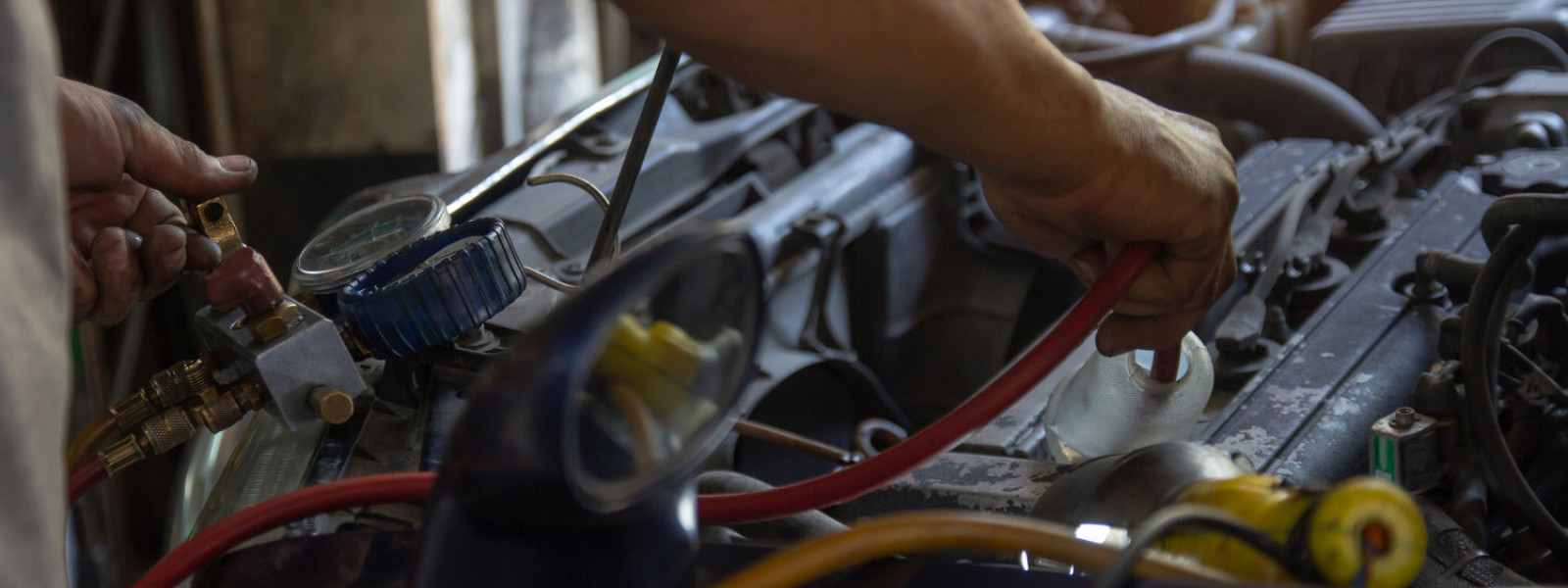
A coolant leak in a Range Rover is not something to ignore. It may start with a low coolant warning, a sweet smell, a small puddle under the vehicle, or the need to top up coolant more often than usual. What seems minor at first can quickly turn into a larger cooling system problem, especially if it leads to overheating.
In many cases, the first signs are easy to miss. You may notice weak cabin heat, an occasional warning message, or a temperature gauge that starts rising higher than normal. The leak itself may come from a worn hose, radiator, water pump, thermostat housing, or another cooling system component.
In this guide, we will cover the most common Range Rover coolant leak symptoms, where these leaks often occur, why they can lead to overheating, and when it is time to stop driving and have the vehicle inspected.
Key Takeaways
- A Range Rover coolant leak often begins with small warning signs, such as a low coolant message, sweet smell, minor drip, or repeated coolant top-ups.
- Common leak points include the reservoir, hoses, radiator, thermostat housing, water pump, and other cooling system connections.
- Even a small coolant leak can lead to Range Rover overheating if coolant loss affects pressure and circulation.
- If you notice steam, a temperature warning, rapid coolant loss, or rising engine temperature, you should stop driving immediately.
- Proper Land Rover coolant leak repair starts with diagnosing the exact source of the leak rather than simply topping up coolant again.
Table of Contents
- Warning Signs of a Range Rover Coolant Leak
- Common Leak Points in a Range Rover Cooling System
- Why a Coolant Leak Can Quickly Lead to Range Rover Overheating
- When to Stop Driving Immediately
- How Westminster Motors Diagnoses a Land Rover Coolant Leak
- Typical Land Rover Coolant Leak Repair Paths
- Final Thoughts: Don’t Ignore Repeated Coolant Loss
- FAQ About Range Rover Coolant Leaks
Warning Signs of a Range Rover Coolant Leak
A Range Rover coolant leak does not always start with a large puddle under the vehicle. In many cases, the first signs are smaller and easier to miss.
One of the most common Range Rover coolant leak symptoms is a low coolant warning that keeps returning. If you top up the coolant and the message comes back, the system is likely losing fluid somewhere.
Another common sign is a sweet smell from the engine bay or after parking. Coolant can also leave small puddles, stains, or dried residue under the front of the vehicle or around cooling system components.
You may also notice the engine running hotter than usual or the temperature gauge starting to rise. This is often an early sign that coolant loss is affecting circulation and increasing the risk of Range Rover overheating.
In some cases, drivers also notice weak cabin heat, especially in colder weather. In more serious situations, you may see steam from under the hood, repeated overheating warnings, or white smoke from the exhaust if the leak is internal.
If your Range Rover keeps losing coolant or shows more than one of these symptoms, it is time to inspect the system instead of continuing to top it up.
Common Leak Points in a Range Rover Cooling System
A Range Rover coolant leak can come from several different parts of the cooling system, which is why proper diagnosis is important.
One common leak point is the coolant reservoir or expansion tank. Over time, the plastic can crack or begin leaking around the cap or fittings. Hoses and hose connections are also frequent problem areas, especially as rubber ages and clamps loosen.
The radiator is another possible source of coolant loss, particularly on older vehicles. A failing water pump can also leak as its seals wear down, and this may happen together with overheating or unusual noise.
Another area to check is the thermostat housing, which can leak due to cracks or gasket failure. On some engines, plastic coolant pipes or crossover components may also weaken over time and start to seep.
In more serious cases, coolant loss may be internal rather than external. If the vehicle keeps losing coolant with no visible puddle, the problem may involve an internal engine issue that needs immediate attention.
Why a Coolant Leak Can Quickly Lead to Range Rover Overheating
A coolant leak can turn into Range Rover overheating faster than many drivers expect. The cooling system depends on the correct coolant level, stable pressure, and steady circulation to control engine temperature.
Once coolant starts leaking out, the system becomes less effective at carrying heat away from the engine. Even a small drop in coolant level can reduce cooling performance, especially in traffic, during long idling, or in warmer conditions.
As the leak gets worse, engine temperatures can begin to rise more quickly. What starts as a minor warning or occasional top-up can lead to overheating, reduced performance, and in more serious cases, engine damage.
That is why a Range Rover coolant leak should never be treated as a minor issue for long. If coolant loss and rising temperature appear together, the vehicle should be inspected as soon as possible.
When to Stop Driving Immediately
Some coolant leaks give you a little warning. Others can become serious very quickly. If your Range Rover shows clear signs of overheating, continuing to drive can increase the risk of much more expensive damage.
You should stop driving immediately if you see an overheating warning, steam from under the hood, or a temperature gauge that keeps rising higher than normal. These signs suggest the cooling system may no longer be able to control engine temperature safely.
You should also stop if the vehicle is losing coolant rapidly, if the coolant level drops below minimum, or if the warning returns shortly after topping it up. In these situations, the problem is no longer just low fluid - it is an active leak that needs diagnosis.
Another important warning sign is weak cabin heat together with rising engine temperature. This can mean coolant is no longer circulating properly through the system.
If the engine starts running rough, misfiring, or producing white smoke from the exhaust, the issue may be more serious and could involve an internal coolant leak. At that point, driving the vehicle further is not worth the risk.
The safest rule is simple: if your Range Rover coolant leak is combined with overheating symptoms, stop driving and arrange for inspection rather than trying to push the vehicle farther.
How Westminster Motors Diagnoses a Land Rover Coolant Leak
Proper Land Rover coolant leak repair starts with finding the exact source of the problem. At Westminster Motors, that means looking beyond the warning light and checking the cooling system as a whole.
The inspection usually begins with a visual check for obvious signs of leakage around the reservoir, hoses, radiator, thermostat housing, and water pump. If the leak is not immediately visible, the next step is often a cooling system pressure test to help identify where coolant is escaping.
The vehicle may also be checked for related faults, temperature issues, or signs that the leak has already started affecting overall cooling performance. If there is no clear external leak, further diagnosis may be needed to rule out a more serious internal problem.
This matters because simply topping up coolant does not solve the cause. A proper diagnosis helps confirm what failed, how urgent the repair is, and what needs to be done to prevent the issue from coming back.
Typical Land Rover Coolant Leak Repair Paths
The right Land Rover coolant leak repair depends on where the leak is coming from and how long the problem has been developing. Some repairs are relatively straightforward, while others become more involved if overheating has already occurred.
In some cases, the fix may be as simple as replacing a worn hose, loose connection, or leaking reservoir. In other situations, the repair may involve the radiator, thermostat housing, or water pump, especially if those parts are cracked, worn, or no longer sealing properly.
If the leak has been ignored for too long and the vehicle has started overheating, the repair path can become more serious. At that stage, the focus is no longer just stopping coolant loss, but also checking whether overheating has caused additional engine damage.
That is why early diagnosis matters. Fixing a Range Rover coolant leak at the source is usually far less expensive and far less disruptive than waiting until it turns into a larger cooling system or engine problem.
Final Thoughts: Don’t Ignore Repeated Coolant Loss
A Range Rover coolant leak may start small, but it should never be ignored for long. If your vehicle keeps losing coolant, shows a low coolant warning more than once, or starts running hotter than usual, the problem needs more than another top-up.
Coolant leaks often get worse over time, and once overheating becomes part of the picture, the risk and repair cost can rise quickly. What might begin as a hose, reservoir, or water pump issue can turn into a much larger repair if the vehicle continues to be driven without diagnosis.
If you are noticing Range Rover coolant leak symptoms, the safest step is to have the cooling system inspected and the source confirmed early. Prompt diagnosis can help prevent overheating, protect the engine, and keep a smaller repair from becoming a major one.
FAQ About Range Rover Coolant Leaks
1. What are the first signs of a Range Rover coolant leak?
The first signs often include a low coolant warning, a sweet smell from the engine bay, small puddles under the vehicle, dried coolant residue, weak cabin heat, or the need to top up coolant more often than usual.
2. Can I drive my Range Rover with a coolant leak?
That depends on the severity of the leak, but it is never something to ignore. If the vehicle is overheating, losing coolant quickly, producing steam, or showing repeated warnings, you should stop driving immediately and have it inspected.
3. Why does my Range Rover keep losing coolant with no visible puddle?
Not every coolant leak leaves an obvious puddle. The leak may be small, may only happen when the engine is hot and under pressure, or may be coming from an internal component. If coolant keeps dropping, the system needs proper diagnosis.
4. Can a bad water pump cause a coolant leak in a Range Rover?
Yes. A failing water pump can leak coolant as its seals wear down. In some cases, it may also cause overheating, noise, or poor coolant circulation.
5. Does low coolant always mean there is a leak?
Not always, but repeated coolant loss usually points to a leak or another cooling system issue. If the warning comes back after topping up, it should be inspected rather than dismissed.
6. When does a coolant leak become an overheating emergency?
It becomes urgent when you see an overheating warning, steam from under the hood, a rapidly rising temperature gauge, or rapid coolant loss. At that point, continuing to drive can lead to engine damage.
7. What is usually involved in Land Rover coolant leak repair?
The repair depends on the source of the leak. It may involve replacing a hose, reservoir, radiator, thermostat housing, water pump, or another cooling system component. The first step is always identifying the exact source.
8. Is it safe to top up coolant and keep driving?
A one-time top-up may help temporarily, but it does not solve the underlying problem. If your Range Rover keeps losing coolant, relying on top-ups instead of diagnosis can increase the risk of overheating and more serious repairs.
Author: Avo Demirjian